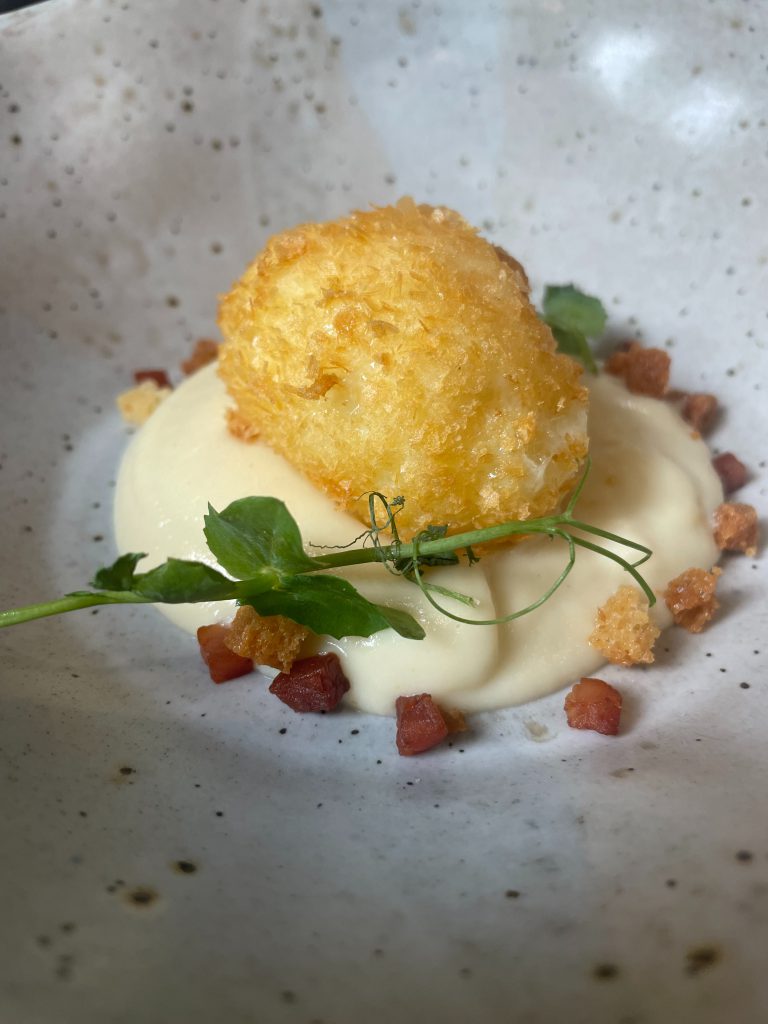
 Welcome to the extraordinary realm of culinary innovation, where food becomes an art form that tantalizes not just our taste buds but also our imagination. In this blog post, we embark on an exciting journey through the captivating world of molecular gastronomy, where science and creativity unite to redefine the culinary landscape. From understanding the roots of this culinary revolution to exploring the cutting-edge techniques and their remarkable impact on the dining experience, we invite you to delve into the fascinating realm of molecular gastronomy.
The Origins and Evolution of Molecular Gastronomy:
Molecular gastronomy is not merely a cooking style; it is a scientific discipline that explores the chemical and physical processes that occur during cooking. It delves deep into the molecular structure of ingredients and applies scientific principles to create innovative and visually stunning culinary creations. By understanding the scientific principles behind cooking, chefs can manipulate flavors, textures, and appearances in unprecedented ways, resulting in dishes that are as visually appealing as they are delicious.
The Science Behind the Magic:
The origins of molecular gastronomy can be traced back to the late 20th century when French chemist Hervé This and Hungarian physicist Nicholas Kurti began conducting experiments to understand the science behind cooking. Their research focused on the chemical reactions that occur during various cooking processes, such as Maillard reactions, caramelization, and emulsification. Through their groundbreaking work, they laid the foundation for a new approach to culinary arts that emphasized the scientific understanding of cooking.
Techniques That Transcend Tradition:
One of the key techniques in molecular gastronomy is spherification, which involves the process of transforming liquids into gel-like spheres. This technique, popularized by renowned Spanish chef Ferran Adrià, allows chefs to create visually stunning dishes with bursts of flavor. By using a combination of sodium alginate and calcium chloride, chefs can create spheres that encapsulate flavors, resulting in delightful explosions of taste in the mouth.
Another fascinating technique is foams, which involve the creation of light and airy textures by incorporating air into liquid ingredients. Foams can be made using a variety of ingredients, such as egg whites or lecithin, and they add a whimsical touch to dishes, enhancing both the visual appeal and the overall dining experience.
Molecular gastronomy also explores the concept of flavor pairing, which involves combining ingredients based on their chemical composition and aromas. By identifying the volatile compounds in different ingredients, chefs can create unexpected flavor combinations that harmonize in unique and exciting ways. For example, the combination of strawberries and balsamic vinegar is a classic flavor pairing that highlights the sweet and acidic notes in both ingredients.
In addition to the techniques and principles mentioned above, molecular gastronomy also embraces the use of innovative tools and equipment. From centrifuges to freeze-drying machines, chefs utilize specialized equipment to transform ingredients and push the boundaries of traditional cooking methods. These tools not only allow for greater precision and control but also enable chefs to create textures and presentations that were once unimaginable.
Beyond the Laboratory: Molecular Gastronomy at Home:
While molecular gastronomy has gained popularity among avant-garde chefs and food enthusiasts, it is important to note that it is not without its criticisms. Some argue that the focus on scientific techniques and novelty can overshadow the importance of taste and the essence of traditional cooking. However, many chefs strike a balance between science and tradition, using molecular gastronomy as a tool to enhance flavors and create unforgettable dining experiences.
Ultimately, molecular gastronomy offers a captivating journey into the intersection of science and culinary arts. It is a celebration of creativity, innovation, and the endless possibilities that can arise when we combine scientific knowledge with our passion for food. Whether you are a professional chef or an amateur home cook, exploring the fascinating world of molecular gastronomy is a thrilling adventure that opens up a whole new realm of culinary possibilities. So, dive in, experiment, and let your taste buds be your guide as you embark on this extraordinary journey.
Bon appétit!
0 Comments